Benefits of House Plants

If you like nature, fresh air and the happy feeling that comes when you’ve managed to keep a plant baby alive, then you’re like me.

We are all about bringing the beauty of nature to your home. Nature provides us with so many healthy remedies and resources, how could we not.  My favorite remedy is the little house plants that aren’t just there to make your home more lively, but they actually provide loads of benefits for us.


PROS AND CONS

House plants are a fantastic idea because

  • House plants help purify the air by filtering out harmful toxins which may cause disease (this process is also known as phytoremediation)
  • They can enhance your mood and relieve anxiety by creating a comfortable and soothing environment
  • Indoor plants also help increase productivity, creativity and concentration because of its purifying properties
  • They create a healthier and happier living environment by increasing the amount of clean oxygen in the room

Each plant has its own unique way of purifying the air. Putting together a combination of plants will have maximum benefit to your overall health.

I don’t know about you but I definitely could use any help I can get with being more productive!

As great house plants are, there are some negatives to look out for

  • Some plants may be dangerous for pets or children
  • Plants attract insects and other pests
  • Over watering your plants may cause fungus
HOW TO CARE FOR YOUR PLANT FAMILY

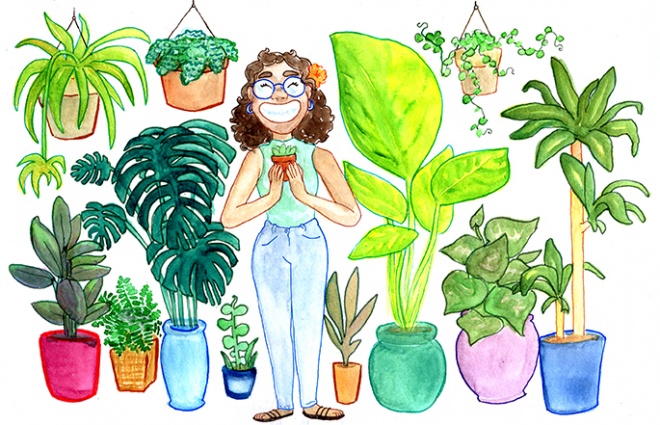
Common house plants

  • SPIDER PLANT – they need bright light and moderate temperature to survive. They like slightly moist soil and only requires being watered once a week.
  • BOSTON FERN – they like cool places with high humidity and no direct sunlight. Make sure your Ferns’ soil stays damp. If your leaves are going yellow, make sure your plant has enough humidity.
  • SNAKE PLANT – They love indirect, bright light and humidity, but they also thrive in shady corners with low light. This plant needs to stay warm so try to avoid putting it in windy areas. Try to water this plant from the bottom to help its roots grow downward. Snake plants do not need as much water in the winter than the summer months.
  • GOLDEN POTHOS – This plant thrives in bright indirect sunlight. Water every other week to allow soil to dry out.
  • ALOE VERA – This plant loves to be watered, but do not over water it, as well as lots and lots of sunlight. Allow for the top layer of soil to dry before watering again, give it about two weeks. Water them less frequently in the winter to give them a period of rest.
  • FICUS TREE – This plant likes moist soil, not dry or drenched. They also like bright, but indirect sunlight, high humidity and prefer less water in the cooler months.
  • CHINESE EVERGREEN – they prefer to be potted in well-draining soil and not too much or too little watering. They like little sunlight and low heat temperatures.
Overall, it really does not take that much to keep your plants alive. No direct sunlight, mostly humid conditions, only water them enough to keep the soil moist but not drenched, and lastly, do not water them that much in cooler months. Easier said than done huh?

PLANT THERAPY

Finding a relaxing hobby is essential in todays’ fast paced life otherwise we simply give in to stress and burn out. I would suggest plant babies as a therapy. It’s actually called horticultural therapy, the professional practice that uses plants and gardening to improve mental and physical health.

By doing some gardening or potting and caring for your plants, you can boost your serotonin, the happy hormone, as well as the reward hormone, dopamine, that comes from completing a task.

If you need a relaxing hobby, I definitely suggest this.

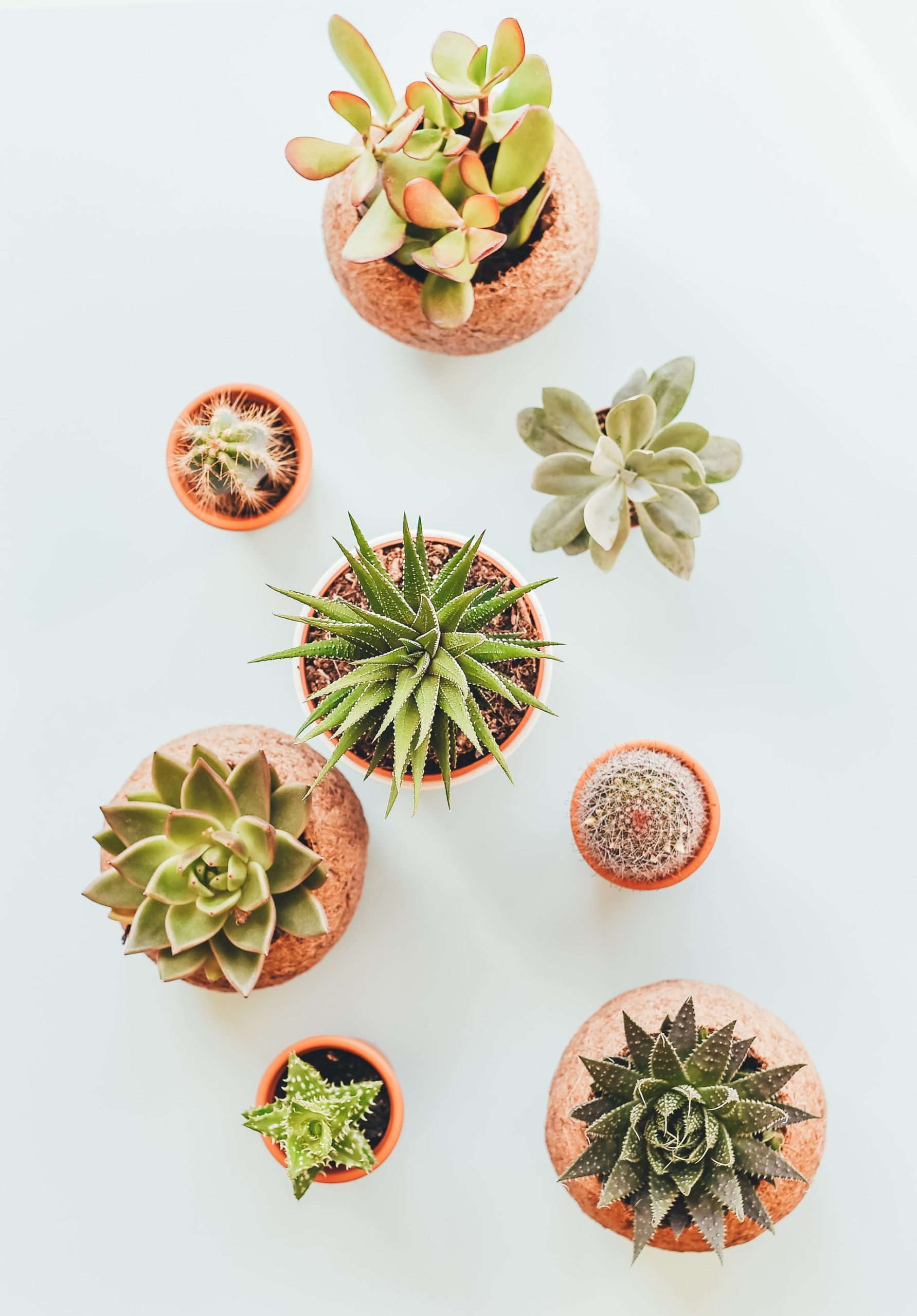
P.S. My ultimate favorite plant babies are succulents. They need minimal attention and don’t die on you that easily.

Let us know about your plant family by tagging us @thesunflowerstand_organic on social media!

Yours Truly
The Sunflower

Organic Defined

We’ve all been at the shop looking at food produce and dairy products and noticed the many different labels on them such as free range, organic and pasteurized. We have also noticed the big difference in prices between organic farming products and conventional farming products.

What is the difference? Would it really matter which option you take?

ORGANIC FARMING – PESTICIDES

Oxfords Learner Dictionary defines organic as “food, farming methods, etc. produced or practiced without using artificial chemicals.” Organic is how farming was done before we started to destroy our soil with pesticides.

Kristen Schafer, coordinator of Pesticide Action Network (PAN) International said in an interview following an article about the many deaths caused by pesticides, ‘’These pesticides are causing the unacceptable poisoning of those who produce our food, but also chronic health effects such as cancer and ecological impacts such as the collapse of biodiversity. Time for global action is overdue.’’

And besides our farmers being killed by pesticides, our bodies need nutrients like magnesium, zinc and other vitamins. We get these nutrients from eating vegetables. Pesticide or glyphosate-based herbicide residue on plants inhibit an enzyme called EPSPS which is part of the biochemical reactions or shikimate pathway. The shikimate pathway of a plant is the system that enables plants to uptake these nutrients. Basically, the thing that allows for proteins and nutrients to form in the plant is unable to do so.

So, in truth, we aren’t really getting these nutrients that we need and we wonder why we see all these cases of nutrient deficiency. Why are we wasting our money on fresh foods that are ‘healthy’ when in fact, they do not benefit us at all? Why can’t we spend a bit extra on quality, something that will actually benefit our bodies?

ORGANIC FARMING – HORMONES

We all know that our mass producing, conventional farmers inject the animals with hormones such as estrogen, progesterone, and testosterone to raise them quicker, make them fatter and save on resources. Because time, money and efficiency is the most important in the industry, no one really cares for what the animals go through.

Although the long term effects on humans that consume these products are still a concern, no real evidence is provided to show that there is in fact an effect worth worrying about except the possible cause of cancer. The main concern with this practice is the inhumane manner in which these animals are kept.

ORGANIC FARMING

Free range farming allows for animals to roam in large pastures freely, to feed on a more nutrition based diet and grow naturally. Organic farming leaves a smaller carbon footprint. It does not use harmful chemicals that damage soil and provides a healthier more fruitful growing environment.

Organic farming prevents soil erosion and recycles animal and plant waste back into the soil as fertilizers or in other words, composting. In using this method, organic farmers don’t use conventional fertilizers with nitrate that pollutes our water ways.

This type of farming does take more time than conventional farming and the products tend to be pricier, but at the end of the day it is the best way to produce crops, dairy and meat in its most nutritious form. Quality over quantity is important to note.

SUMMARY:
• Conventional farming uses toxic chemicals that may cause cancer in humans and degenerate soil whereas organic farming recycles animal and plant waste back into the soil making it more fruitful
• Excessive nitrates in chemical fertilizers cause water pollution whereas organic farming does not use chemicals that poison our water
• Because conventional farming wants to produce as much as fast as possible the means by which they get it done deprives the crops and produce of their natural nutrients whereas organic farming keeps the quality of life and keeps the nutrients in the food
• Conventional farming leads to less expensive products with poor quality whereas organic products are a bit more expensive but it produces quality, healthy beneficial products

So the question is that even though we know about the harm that conventional farming does to our planet and the fact that it deprives us of the nutrients we need on a daily basis, why aren’t we supporting more of our local organic farmers?

Yours Truly
The Sunflower

READ MORE HERE

https://www.gmoscience.org/glyphosate-and-roundup-disrupt-the-gut-microbiome-by-inhibiting-the-shikimate-pathway/
https://foodfacts.org.za/hormones-in-meat/
https://www.britannica.com/topic/organic-farming
https://rodaleinstitute.org/why-organic/issues-and-priorities/human-health/