Fitness, an Interview

If you’re like me, just thinking about exercise makes you tired! But once we understand that it’s not just a chore or a punishment but a way of living, then maybe it becomes easier to do.

We all imagine exercise as this super hard thing to do that comes with dieting so that we can lose weight. But, what if I told you that exercise is not just about losing weight.

HERE IS WHY

I did a short interview with fitness expert Alexa Leeson and this is what she had to say;

  1. What qualification do you hold?

‘’I have my Honors in Fitness, and did other courses to compliment my studies:

– Sports Massage Therapy, Functional Training Specialist, Kids Development, Training in different environments and a course in Nutrition, Sports Conditioning Coach.’’

  1. How long have you been into fitness and what are you currently busy with?

‘’I have been into fitness for the last 8 years. I am currently running my own business called The Body Mechanic where I offer Injury care and remedial massage therapy. I also do Personal Training for high risk clients, or clients who have chronic issues etc. as well as training programs for individuals.’’

  1. Why would you recommend fitness and exercise to people?

‘’Yes exercise is healthy and eating right is healthy, but for me, what it comes down to, is the mental health aspect of training. The confidence you achieve by setting out goals and achieving them is priceless.’’

  1. Do you think exercise is just for weight loss, why or why not?

‘’No, exercise is there for weight loss, strength and endurance etc. Exercise is a great way of keeping things like heart disease, high cholesterol and diabetes at bay.’’

  1. What is the difference between exercise for weight loss and exercise for fitness, if there is?

‘’Exercise for weight loss has to be accompanied by a calorie deficit nutrition plan and exercises might differ depending on the individual and the amount of weight needed to be lost. Training for fitness has a different program as well as a balanced calorie intake. This type of exercise would be kept at a certain intensity and frequency.’’

  1. What other benefits does daily exercise have on the body especially for mental health?

‘’When you exercise, your body releases chemicals called endorphins. Endorphins trigger a positive feeling in the body, similar to morphine!’’

  1. What are some basic exercises you can do on a daily basis that will help you improve fitness?

‘’By doing leg work and working the glutes, which is the largest group of muscles in the body, you use more energy and in return burn more calories. So exercises like squats, lunges etc. are great! Burpees are one of my top full body exercises as it is explosive and uses your full body.’’

  1. What would be your advice on how we can turn exercise into a way of living instead of just another chore to complete?

‘’As a working mom of three kids, I know the struggle when it comes to time. Put it this way, schedule it as a meeting. As if you are having a business meeting, but with yourself. You are worth your own time too.’’

  1. How much time should we spend exercising in a week?

‘’To start with I would suggest 3 – 4 times a week at 30-45 min. Then, once you have reached a plateau I would increase it. For me, exercise should not stress you out, work it into your week like previously mentioned, a meeting. Do not stress yourself out and think you have to train 7 days a week, 2 hours a day… NO.. Start off with what works for you and then take it from there. The last thing you want to do is start off feeling stressed out and that exercise is so taxing then giving up… Pace yourself!’’

  1. What advice would you give to those who are just getting started on their fitness journey?

‘’First of all, remember, there is no perfect mold or standard we all need to fit into. The only measuring tool is your happiness and your health. If you are healthy and happy then that is all that matters! So start off with daily goals, then weekly then monthly. Do not go on any fad diets! Choose a lifestyle you can stick to. Remember, it is more what you eat than how many times you train. No point indulging daily in junk foods and then training hoping you will still have results. Be kind to yourself, if you cannot do a full pushup then do a modified pushup, just keep trying! If you can do it for 21 days, you can do it FULL STOP! That is the minimum amount of time it takes for your body to get into a routine. Do not repeat your exercises with every session, make it different and interesting so you will keep on going! Put on your favorite tunes and enjoy exercising!


And there you have it from an expert! I, myself, struggle to stay motivated or drag myself off the couch to start exercising which is why I would recommend getting a training partner or joining a fitclub near you. One more piece of advice, remember to stretch!

Whether it is for your summer body, just for fitness, for losing weight or simply to distress, a bit of exercise can go a long way. Here is a challenge for you, start today by walking once around your block then tomorrow twice so that before you know it those flights of stairs at work or at school won’t have you out of breath.

Check out the Body Mechanic on Facebook @thebodymechanicwithlex

Yours truly
The Sunflower
Herb Garden

You can add so much more flavor to your food by adding fresh herbs. ‘’Fresh herbs have the ability to elevate a dish to the next level’’ Jamie Oliver.

But, like most of us, you probably buy bottled herbs and spices. How often do you buy fresh herbs but find that they just end up dead at the bottom of your fridge? Don’t be discouraged.

Here is my solution to save money as well as lessen your herb waste – grow your own!

HERE IS HOW

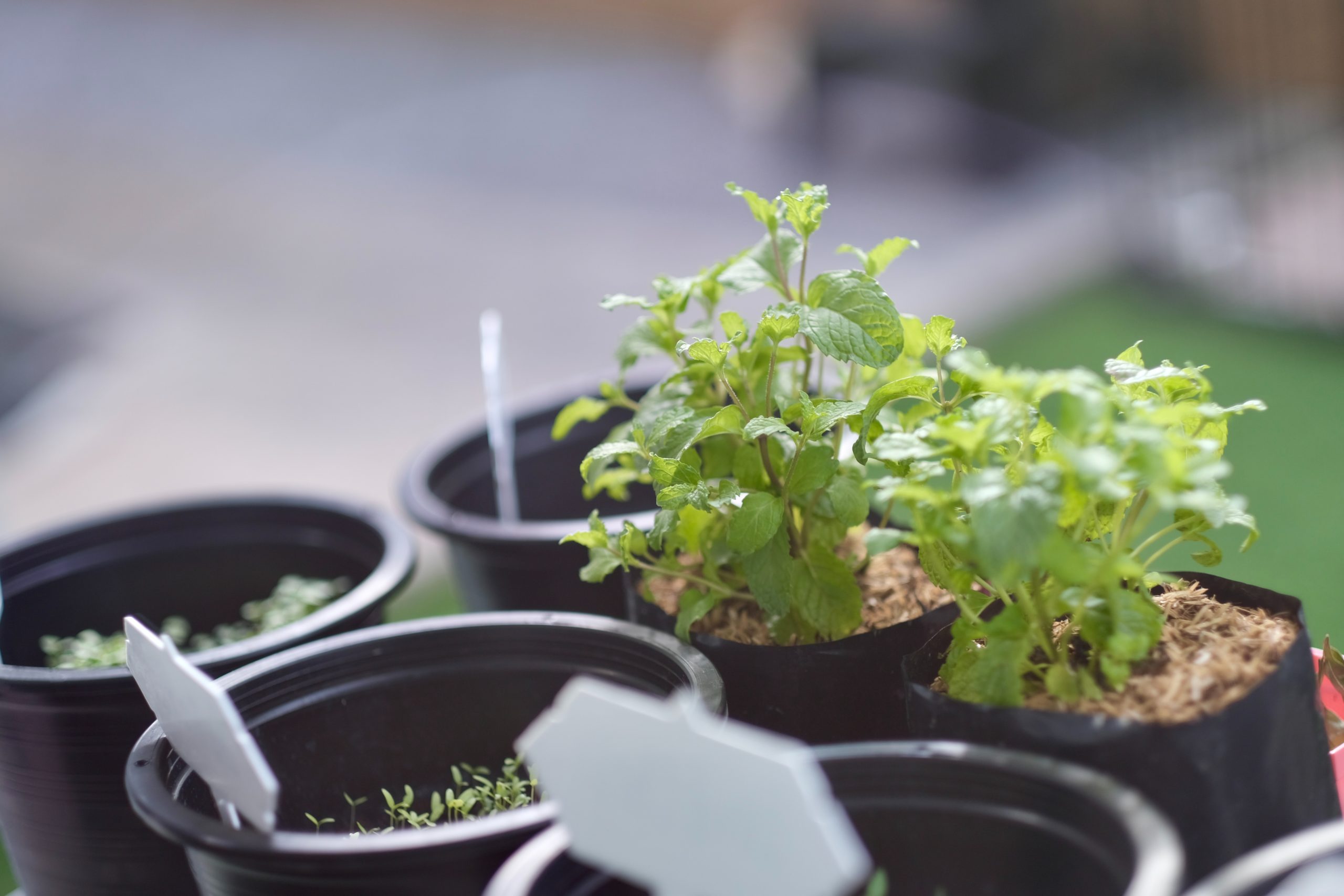
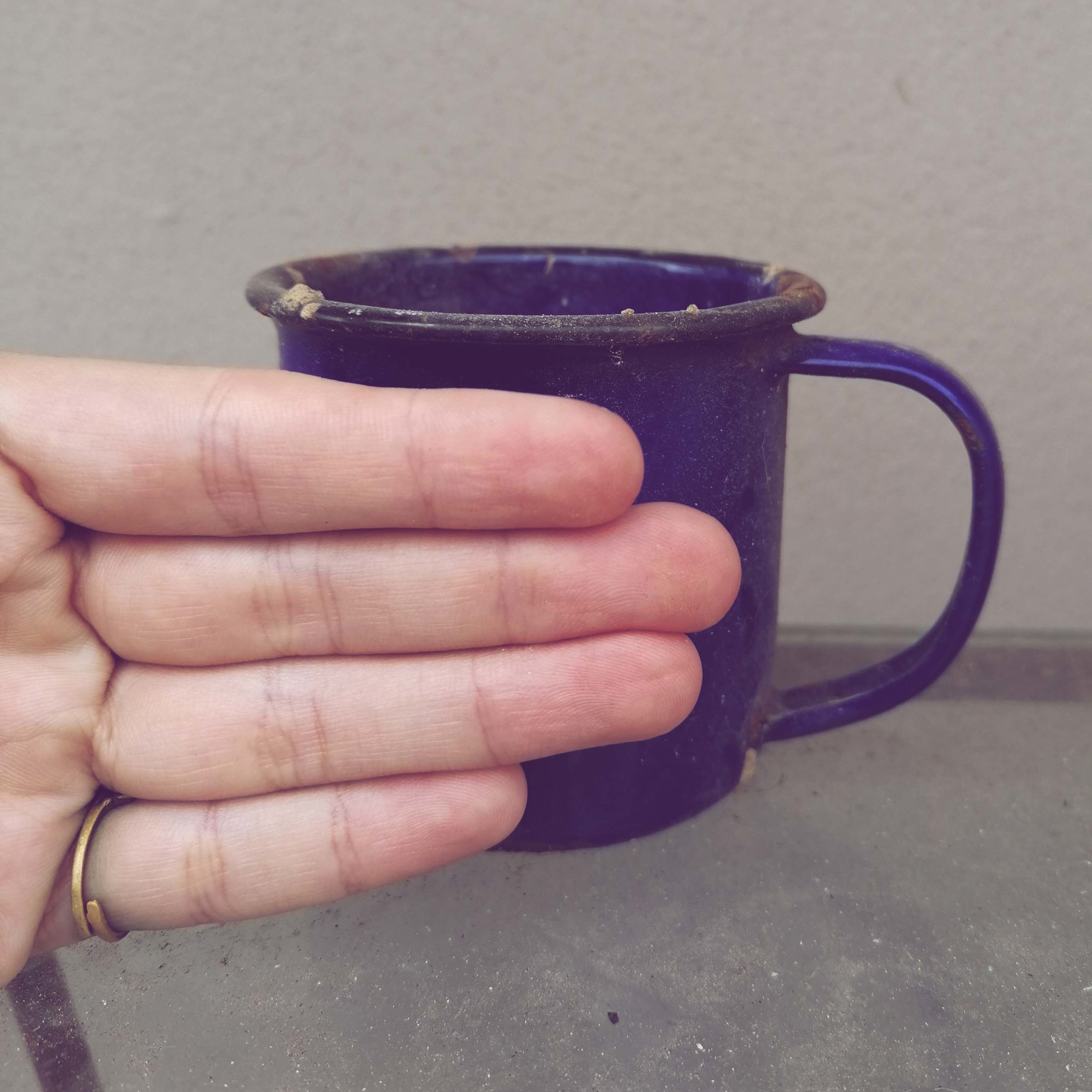
First you need to recycle an old tin can, plastic bowl or pot about four fingers deep

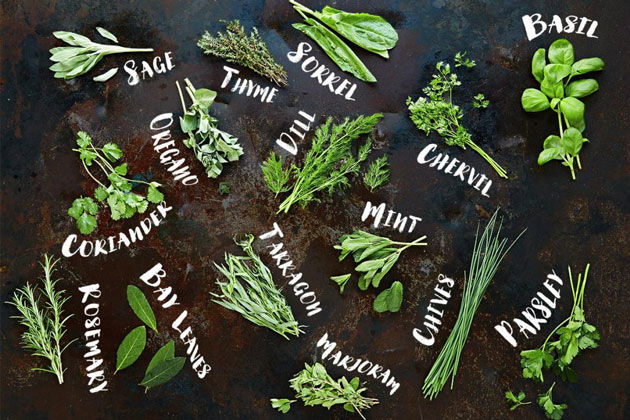
Next you add some good soil that drains easily and then choose your herbs. My top five would be thyme, mint, parsley, basil and oregano

Lastly, find the perfect sunny spot to put your new herb garden, whether inside or outside and remember to take care of them

Herbs are relatively easy to take care of. Just remember two things, herbs are happy in sunny areas and do not like to be over watered! Now you’re all set, as simple as that. All the herbs you need and less waste.

UNIQUE FACTS

Coriander
• Known in the Bible as a bitter Passover herb
• It is an antispasmodic
• Can be used as a remedy for colic, flatulence, digestive upset and bloating
• As a tea it can ease anxiety and tension
• Helps for rheumatic aches and pains
• Mixed with tea tree oil it can be an insect repellent

Mint
• Mint needs rich new soil at least twice a year
• It is an anti-inflammatory, antiseptic, antibacterial, antispasmodic and anti-flatulent
• Mint tea helps to ease digestion, relieves stomach ache, aids your concentration and eases nervous energy
• It relieves colds and flu symptoms
• Adding mint to your bath can soothe sunburn or chapped winter skin

Rosemary
• It is a symbol of remembrance
• It is an antiseptic, antispasmodic, anti-inflammatory, antibacterial, and a restorative herb aiding recovery from long term stress or chronic illness
• Because of its energizing and uplifting abilities rosemary also helps for depression
• Helps for headaches and premenstrual tension
• Rosemary tea is an antiseptic that can be used as a mouthwash to clear mouth infection
• Rosemary keeps mosquitos away

Thyme
• Infused lemon thyme with a slice of lemon and a teaspoon of honey, thyme can ease sore throat, a cough and chest cold
• It is an antifungal, antiseptic and tonic herb
• Thyme is a good digestive and boosts energy as well as the immune system
• Can soothe muscular aches and treat cough, pneumonia, asthma and hay fever
• Thyme lotion can soothe insect bites, stings, sore eczema area, athletes foot and lice infection

Basil
• Crushed basil can keep flies away
• Placing crushed basil on a wound can extract poison from insect bites or stings
• Basil is a tonic and antiseptic
• It relieves nausea and headache
• Basil tea can be used as a mouthwash to treat mouth infection

Just to name a few!

Tag us on Instagram or Facebook at @thesunflowerstand_organic and show us your herb garden. Join our community and give us a follow.

Yours Truly
The Sunflower

Resources:

https://www.jamieoliver.com/features/how-to-use-herbs/
2014 Book by Margaret Roberts 100 Edible and Healing Flowers

DISCLAIMER: Consult your Healthcare Professional before starting a new treatment. This page is for informational purposes only and is not a substitute for professional medical or health advice

Sustainable Living

I always knew that pollution was a BIG problem, but it only truly hit me when I realized what good the COVid lockdown did our beautiful Earth. I wanted to make a change, even if it were small.

After quite some thought and looking around, the word ORGANIC stuck by me and I knew this was it, this is what I needed to do. I need to start applying the concept of sustainable living in my life as well as create a community that will also start implementing this idea. But, not just that, at the same time I wanted to empower local businesses that were struggling to get by because of regulations.

This is where my online shop came from, the need to get more organic, healthy and sustainable products out there while at the same time helping our local brands grow.

WHAT IS SUSTAINABLE LIVING

Sustainable living is the property of being environmentally sustainable; the degree to which a process or enterprise is able to be maintained or continued while avoiding the long-term depletion of natural resources, as explained by the Oxford dictionary.

Sustainable living focuses on three main factors

  1. Economic – Improving the standard of living and ensuring economic growth
  2. Social – Preserving future generations and social equality
  3. Environment – Protection of our natural resources such as land, water, air and minerals

BENEFITS OF SUSTAINABLE LIVING

1. One of the huge benefits of sustainable living is that it reduces your carbon footprint, a measure of the amount of carbon dioxide that is produced by the activities of a person or company, as explained by the Oxford Dictionary. These carbon emissions come from our homes and the food we eat as well as from our cars and transport.

2. Every small change to sustainable living results in a healthier lifestyle. By using less products that emit fossil fuels and harmful chemicals, and consuming less products that contain traces of pesticides and chemical fertilizers we slowly start to improve our physical health. Consuming quality, organic foods and increasing fitness due to limiting our dependence on vehicles and substituting it for walking, cycling and physical work, can also have a positive effect on your mental health.

3. We can save money by growing our own food and using less electricity or generating our own electricity.

4. Sustainable living requires organic farming. This way of farming gives back to the earth rather than depleting all of its great qualities. It provides healthy soil that can be used again instead of destroying it like conventional farming does.

5. Sustainable living doesn’t only benefit us now, it preserves our environment and economy for future generations to carry on making a living. This is ultimately why sustainable living is so important, not because it’s a ‘new trend’ or ‘fancy term’ but because if we do not start preserving the world around us there won’t be anything left for future generations.

WHAT CHANGES CAN WE MAKE

  • Support local organic farmers
  • Make the change to solar lighting, use renewable energy
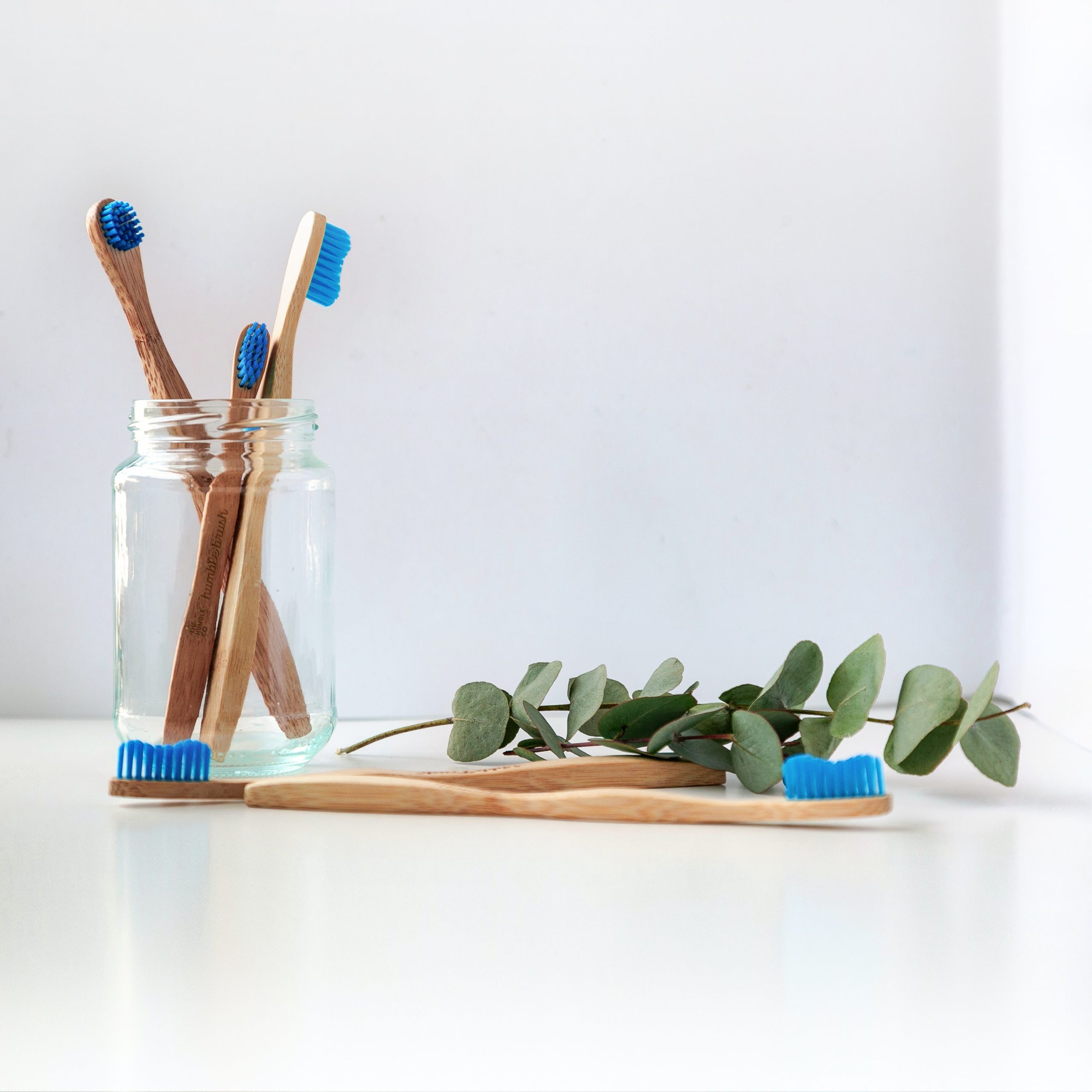
  • Say no to plastic, reduce waste
  • Use sustainable products resourced locally from waste or renewable resources
  • Use water responsibly
  • Try to reduce travel by starting lift clubs, using bicycles or walking
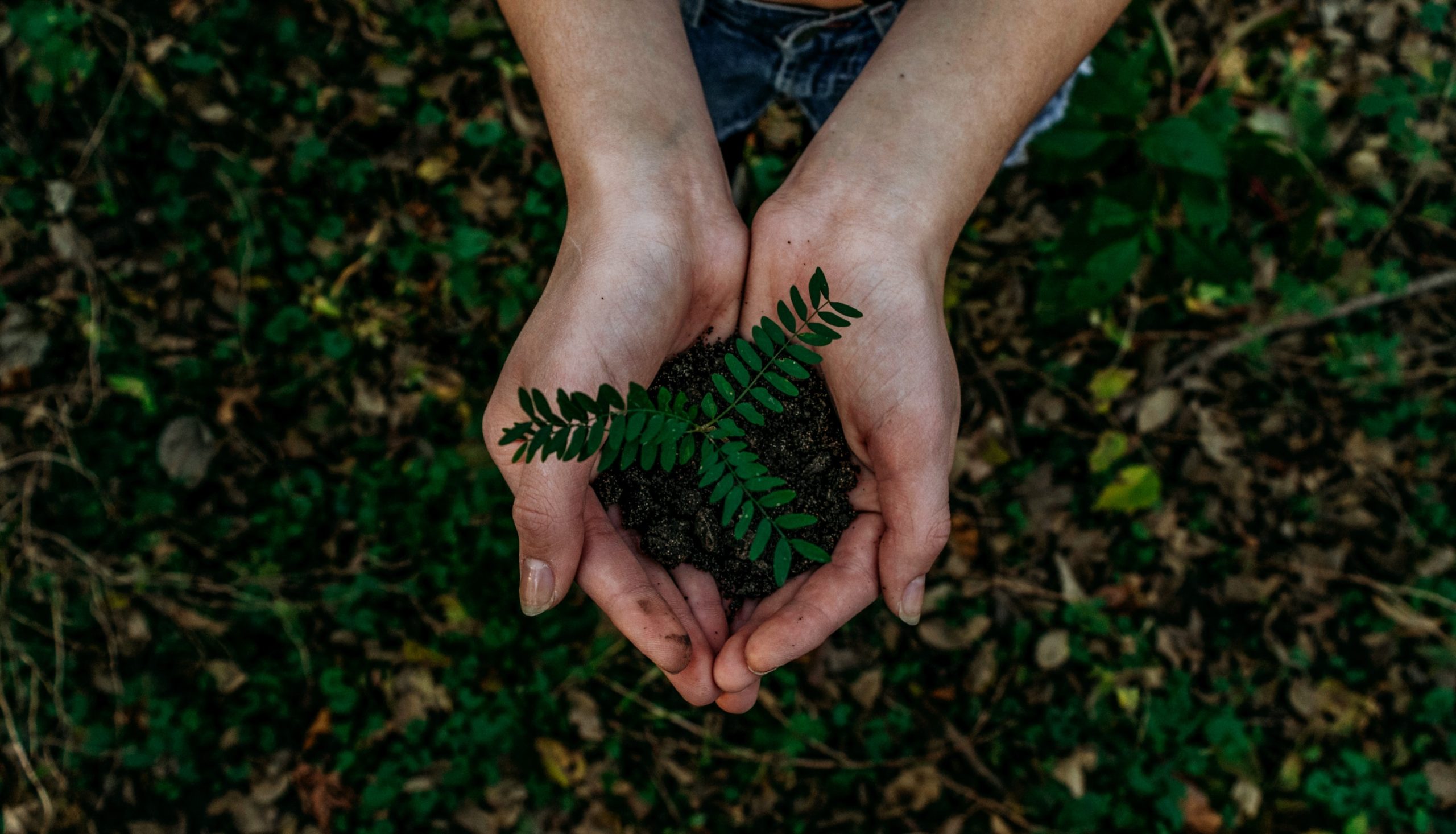
  • Go on hikes, plant trees, build a vegetable garden

I am just a quiet voice in a noisy crowd saying things you have already heard. But, just maybe this quiet voice can be the one that finally convinces you to take that first step toward change.

If I haven’t convinced or intrigued you, then ask yourself this; what am I leaving behind?

Yours sincerely
The Sunflower

Take The First Step Today

Support your local businesses by ordering the products you like from our online store OR become part of our online store community and let us help you sell your sustainable and Earth-friendly products

Benefits of House Plants

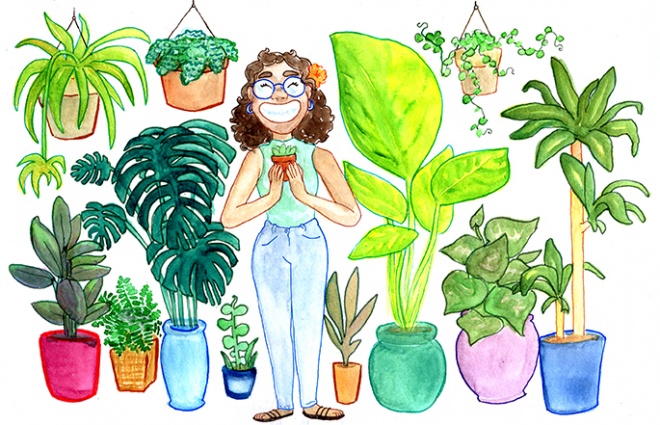
If you like nature, fresh air and the happy feeling that comes when you’ve managed to keep a plant baby alive, then you’re like me.

We are all about bringing the beauty of nature to your home. Nature provides us with so many healthy remedies and resources, how could we not.  My favorite remedy is the little house plants that aren’t just there to make your home more lively, but they actually provide loads of benefits for us.


PROS AND CONS

House plants are a fantastic idea because

  • House plants help purify the air by filtering out harmful toxins which may cause disease (this process is also known as phytoremediation)
  • They can enhance your mood and relieve anxiety by creating a comfortable and soothing environment
  • Indoor plants also help increase productivity, creativity and concentration because of its purifying properties
  • They create a healthier and happier living environment by increasing the amount of clean oxygen in the room

Each plant has its own unique way of purifying the air. Putting together a combination of plants will have maximum benefit to your overall health.

I don’t know about you but I definitely could use any help I can get with being more productive!

As great house plants are, there are some negatives to look out for

  • Some plants may be dangerous for pets or children
  • Plants attract insects and other pests
  • Over watering your plants may cause fungus

HOW TO CARE FOR YOUR PLANT FAMILY

Common house plants

  • SPIDER PLANT – they need bright light and moderate temperature to survive. They like slightly moist soil and only requires being watered once a week.
  • BOSTON FERN – they like cool places with high humidity and no direct sunlight. Make sure your Ferns’ soil stays damp. If your leaves are going yellow, make sure your plant has enough humidity.
  • SNAKE PLANT – They love indirect, bright light and humidity, but they also thrive in shady corners with low light. This plant needs to stay warm so try to avoid putting it in windy areas. Try to water this plant from the bottom to help its roots grow downward. Snake plants do not need as much water in the winter than the summer months.
  • GOLDEN POTHOS – This plant thrives in bright indirect sunlight. Water every other week to allow soil to dry out.
  • ALOE VERA – This plant loves to be watered, but do not over water it, as well as lots and lots of sunlight. Allow for the top layer of soil to dry before watering again, give it about two weeks. Water them less frequently in the winter to give them a period of rest.
  • FICUS TREE – This plant likes moist soil, not dry or drenched. They also like bright, but indirect sunlight, high humidity and prefer less water in the cooler months.
  • CHINESE EVERGREEN – they prefer to be potted in well-draining soil and not too much or too little watering. They like little sunlight and low heat temperatures.

Overall, it really does not take that much to keep your plants alive. No direct sunlight, mostly humid conditions, only water them enough to keep the soil moist but not drenched, and lastly, do not water them that much in cooler months. Easier said than done huh?

PLANT THERAPY

Finding a relaxing hobby is essential in todays’ fast paced life otherwise we simply give in to stress and burn out. I would suggest plant babies as a therapy. It’s actually called horticultural therapy, the professional practice that uses plants and gardening to improve mental and physical health.

By doing some gardening or potting and caring for your plants, you can boost your serotonin, the happy hormone, as well as the reward hormone, dopamine, that comes from completing a task.

If you need a relaxing hobby, I definitely suggest this.

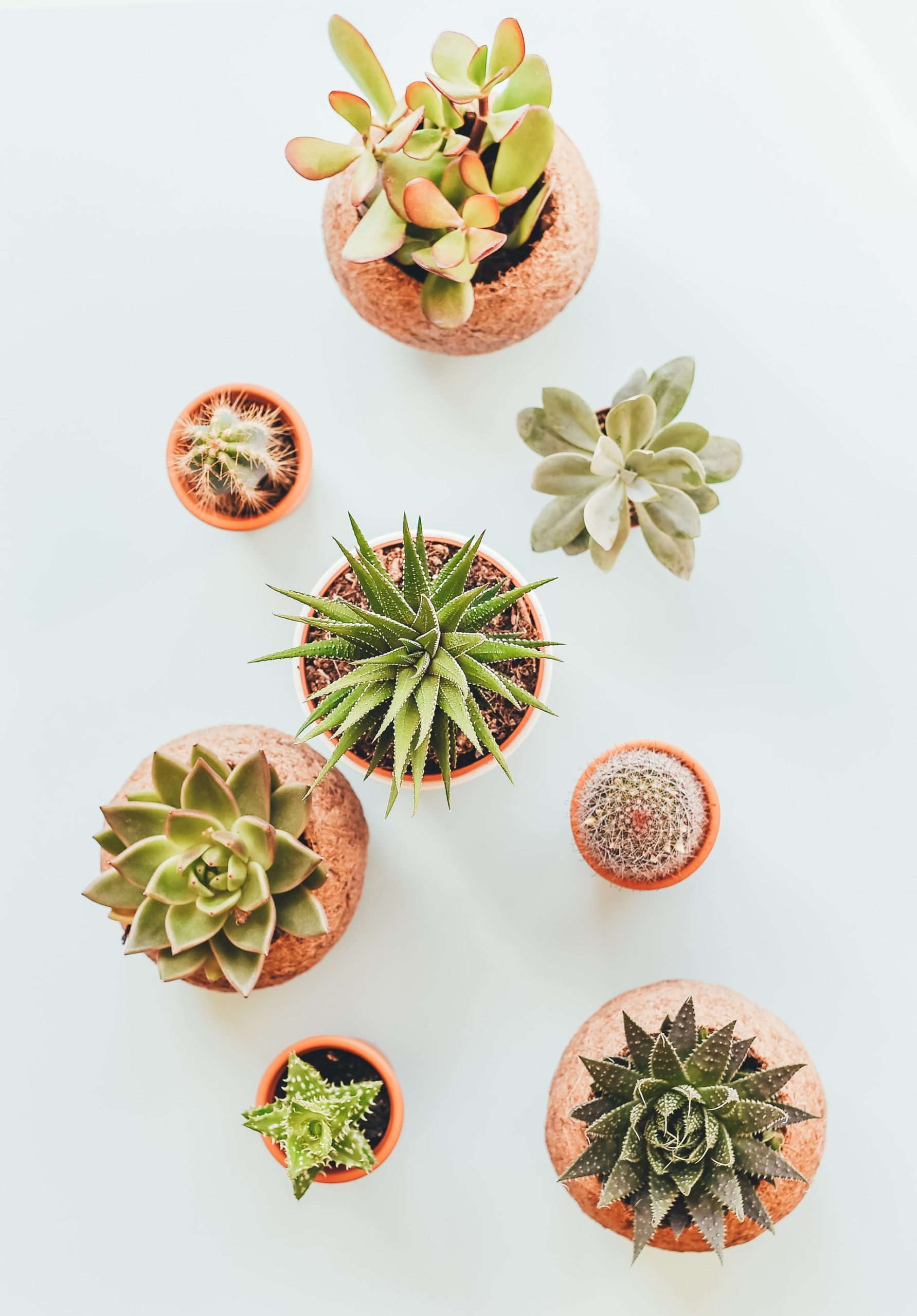
P.S. My ultimate favorite plant babies are succulents. They need minimal attention and don’t die on you that easily.

Let us know about your plant family by tagging us @thesunflowerstand_organic on social media!

Yours Truly
The Sunflower

Organic Defined

We’ve all been at the shop looking at food produce and dairy products and noticed the many different labels on them such as free range, organic and pasteurized. We have also noticed the big difference in prices between organic farming products and conventional farming products.

What is the difference? Would it really matter which option you take?

ORGANIC FARMING – PESTICIDES

Oxfords Learner Dictionary defines organic as “food, farming methods, etc. produced or practiced without using artificial chemicals.” Organic is how farming was done before we started to destroy our soil with pesticides.

Kristen Schafer, coordinator of Pesticide Action Network (PAN) International said in an interview following an article about the many deaths caused by pesticides, ‘’These pesticides are causing the unacceptable poisoning of those who produce our food, but also chronic health effects such as cancer and ecological impacts such as the collapse of biodiversity. Time for global action is overdue.’’

And besides our farmers being killed by pesticides, our bodies need nutrients like magnesium, zinc and other vitamins. We get these nutrients from eating vegetables. Pesticide or glyphosate-based herbicide residue on plants inhibit an enzyme called EPSPS which is part of the biochemical reactions or shikimate pathway. The shikimate pathway of a plant is the system that enables plants to uptake these nutrients. Basically, the thing that allows for proteins and nutrients to form in the plant is unable to do so.

So, in truth, we aren’t really getting these nutrients that we need and we wonder why we see all these cases of nutrient deficiency. Why are we wasting our money on fresh foods that are ‘healthy’ when in fact, they do not benefit us at all? Why can’t we spend a bit extra on quality, something that will actually benefit our bodies?

ORGANIC FARMING – HORMONES

We all know that our mass producing, conventional farmers inject the animals with hormones such as estrogen, progesterone, and testosterone to raise them quicker, make them fatter and save on resources. Because time, money and efficiency is the most important in the industry, no one really cares for what the animals go through.

Although the long term effects on humans that consume these products are still a concern, no real evidence is provided to show that there is in fact an effect worth worrying about except the possible cause of cancer. The main concern with this practice is the inhumane manner in which these animals are kept.

ORGANIC FARMING

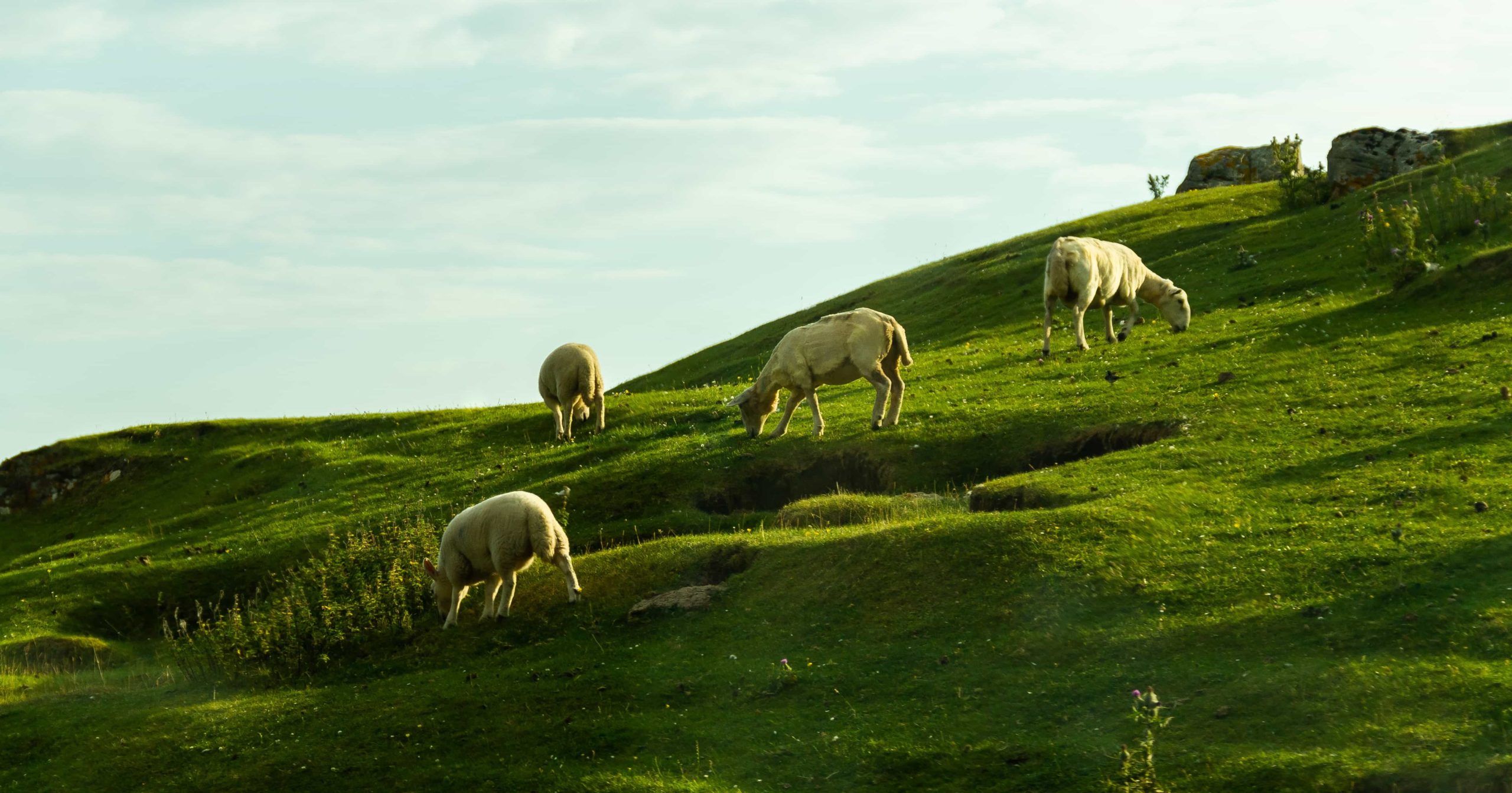
Free range farming allows for animals to roam in large pastures freely, to feed on a more nutrition based diet and grow naturally. Organic farming leaves a smaller carbon footprint. It does not use harmful chemicals that damage soil and provides a healthier more fruitful growing environment.

Organic farming prevents soil erosion and recycles animal and plant waste back into the soil as fertilizers or in other words, composting. In using this method, organic farmers don’t use conventional fertilizers with nitrate that pollutes our water ways.

This type of farming does take more time than conventional farming and the products tend to be pricier, but at the end of the day it is the best way to produce crops, dairy and meat in its most nutritious form. Quality over quantity is important to note.

SUMMARY:
• Conventional farming uses toxic chemicals that may cause cancer in humans and degenerate soil whereas organic farming recycles animal and plant waste back into the soil making it more fruitful
• Excessive nitrates in chemical fertilizers cause water pollution whereas organic farming does not use chemicals that poison our water
• Because conventional farming wants to produce as much as fast as possible the means by which they get it done deprives the crops and produce of their natural nutrients whereas organic farming keeps the quality of life and keeps the nutrients in the food
• Conventional farming leads to less expensive products with poor quality whereas organic products are a bit more expensive but it produces quality, healthy beneficial products

So the question is that even though we know about the harm that conventional farming does to our planet and the fact that it deprives us of the nutrients we need on a daily basis, why aren’t we supporting more of our local organic farmers?

Yours Truly
The Sunflower

READ MORE HERE

https://www.gmoscience.org/glyphosate-and-roundup-disrupt-the-gut-microbiome-by-inhibiting-the-shikimate-pathway/
https://foodfacts.org.za/hormones-in-meat/
https://www.britannica.com/topic/organic-farming
https://rodaleinstitute.org/why-organic/issues-and-priorities/human-health/